
· DragonFire · The News Market · 2 min read
Younger Demographics and Preferences for News Formats
The News market is changing. The mobile generation is making up the more and more of the consumer base, and their preferences are vital to address.
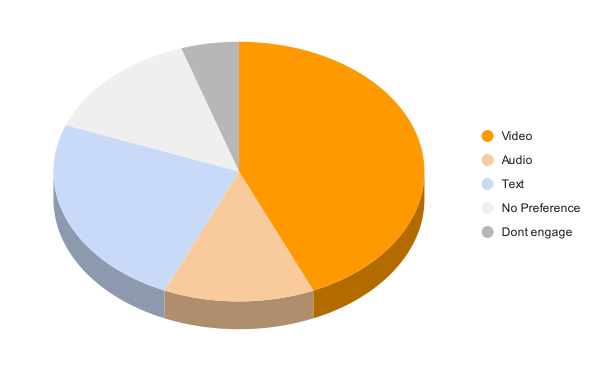
Younger audiences today have a clear preference for engaging with news and information through video and audio rather than traditional text-based articles. This shift isn’t merely a passing trend; it’s a fundamental transformation in how younger consumers interact with content, driven by technology and evolving media consumption habits.
According to the Reuters Institute Digital News Report (2019), younger consumers, particularly those under 35, show a significantly higher preference for visual storytelling formats. The report highlights that attention spans are shorter, and visual formats such as videos, podcasts, and interactive media are not only more engaging but also align better with younger audiences’ mobile-centric lifestyles.
Furthermore, Deloitte’s Digital Media Trends survey (2022) reinforced this point, revealing that Gen Z and Millennials prefer concise, easily digestible content that fits seamlessly into their daily routines. Video, particularly short-form video content, is perfectly suited to this preference, allowing users to quickly grasp essential information without dedicating significant time or attention.
This preference presents an urgent imperative for news providers: adapt content strategies to prioritize video and audio. Converting written articles into short-form videos isn’t just advantageous; it’s becoming essential. Platforms like Instagram Reels, TikTok, and YouTube Shorts exemplify this shift, demonstrating how successful concise, engaging video snippets can be in capturing attention and fostering deeper audience engagement.
Moreover, research by Pew Research Center (2021) found that social media has become a primary news source for younger audiences, further emphasizing the importance of news organizations delivering content in formats optimized for these platforms. Short-form video, paired with compelling visuals and concise narratives, is exactly what these platforms prioritize and promote.
In summary, the preference among younger audiences for video and audio content is driven by changing media habits, mobile-first consumption patterns, and the desire for quick, engaging experiences. News providers that proactively embrace converting articles into short-form videos will not only meet audience expectations but also position themselves effectively for continued relevance and growth.